From Checkerboard to Gingham
Checkerboard flooring has been one of the most recognizable interior trends of 2026. But as homeowners look for something softer and more distinctive, another familiar pattern is beginning to move into the spotlight: gingham.
Recent 2027 trend coverage suggests that gingham-inspired tiles could become the next evolution of checkerboard flooring, bringing a nostalgic textile pattern into kitchens, bathrooms and entryways.
1. Why Checkerboard Still Works
Classic checkerboard remains popular because it creates instant visual impact with a simple repeating pattern.
But today’s checkerboard is no longer limited to black and white. Softer combinations such as cream and sage, beige and terracotta, or blue and white create a more relaxed look that works well with modern and vintage-inspired interiors.
This shift toward softer colors has helped checkerboard feel fresh again in 2026.
2. What Makes Gingham Different?
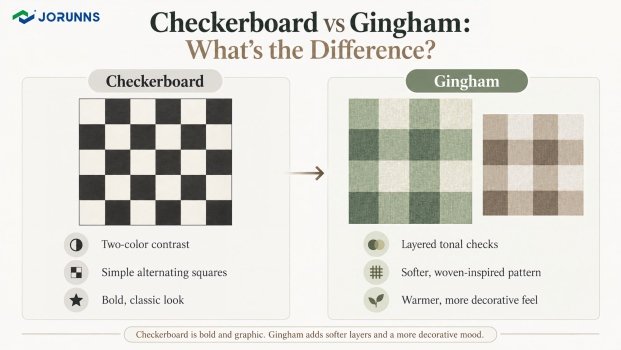
Gingham keeps the familiar square-grid structure but introduces more tonal variation.
Instead of alternating only two colors, a gingham-inspired pattern can combine light, medium and deeper shades to create a layered, textile-like appearance.
The result feels softer and more decorative than traditional checkerboard, while still being easy to understand visually.
This makes gingham especially suitable for customers who like cottage, vintage, country-inspired or warm contemporary interiors. Gingham has already been appearing more widely across furniture, fabrics and home décor during 2026.
3. Colors to Watch for 2027
The next generation of checked flooring is likely to move beyond strong black-and-white contrast.
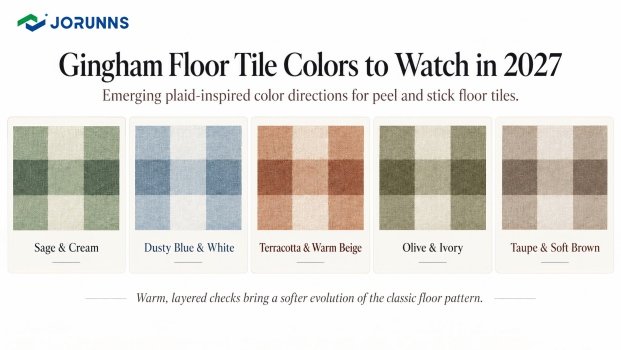
Popular combinations may include:
- Sage green + cream
- Dusty blue + white
- Terracotta + warm beige
- Olive + ivory
- Taupe + soft brown
These combinations also match the broader move toward warmer, more natural and personalized interior palettes predicted for 2027.
4. Where Can Gingham Floor Patterns Work?
Gingham-inspired flooring can add personality without covering an entire home.
It works particularly well in:
- Kitchens
- Laundry rooms
- Entryways
- Bathroom dry areas
- Small rental renovation projects
Smaller-scale patterns can make compact spaces feel detailed and decorative, while larger checks create a stronger statement in open areas.
What Should Retail Buyers Consider?
For retailers and private label buyers, this trend does not mean replacing checkerboard completely.
A better approach is to build a patterned floor tile collection that combines classic checkerboard, softer color combinations and new gingham-inspired designs.
Color coordination, pattern scale and repeat accuracy are especially important when developing these designs for peel and stick floor tiles.
Looking Ahead to 2027
Checkerboard is not disappearing. Instead, its popularity is opening the door for new interpretations.
As consumers look for interiors with more warmth, nostalgia and personality, gingham may become one of the most interesting patterned floor directions for 2027.
For peel and stick floor tile brands and retailers, it offers a fresh way to update a familiar classic without losing its easy-to-recognize appeal.