
Installation Problems Are More Common Than Product Defects
Many complaints about peel and stick tiles are quickly labeled as “product issues.”
In reality, a large percentage of problems come from incorrect installation, not from the tiles themselves.
Understanding these common mistakes helps retailers manage expectations, reduce returns, and improve customer satisfaction.
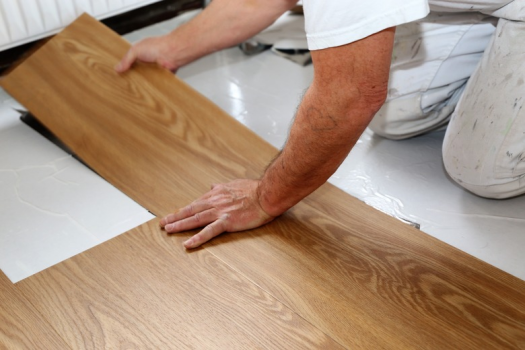
Mistake 1: Installing on Improper or Unprepared Surfaces
One of the most frequent mistakes is installing peel and stick tiles on surfaces that are not suitable.
Common issues include:
- Dusty, oily, or damp surfaces
- Uneven walls or floors
- Textured or porous substrates
Peel and stick tiles require a clean, dry, and smooth surface to perform properly. Skipping surface preparation almost always leads to adhesion problems.
Mistake 2: Ignoring Temperature and Environment Conditions
Customers often install tiles immediately after delivery without considering room conditions.
Problems can occur when:
- Installation is done in very cold or very humid environments
- Tiles are not acclimated to room temperature
- The space experiences rapid temperature changes
Environmental factors directly affect adhesive performance during installation.
Mistake 3: Expecting Peel and Stick Tiles to Perform Like Permanent Tiles
Another common issue is unrealistic expectations.
Peel and stick tiles are designed for:
- Easy installation
- Flexible use
- Simple renovation projects
They are not intended to replace traditional ceramic tiles in heavy commercial or extreme-use environments. When expectations are misaligned, dissatisfaction follows.
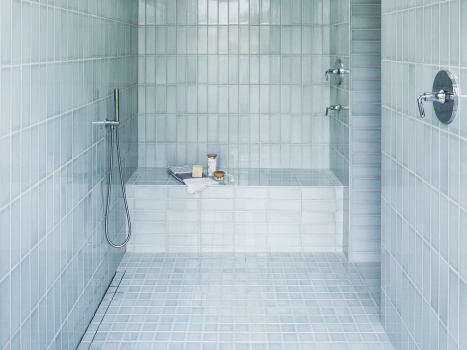
Mistake 4: Rushing the Installation Process
Many customers rush installation to finish quickly.
Typical problems include:
- Misaligned tiles
- Poor seam contact
- Insufficient pressure during application
Peel and stick tiles still require careful placement and firm pressure to ensure proper bonding.
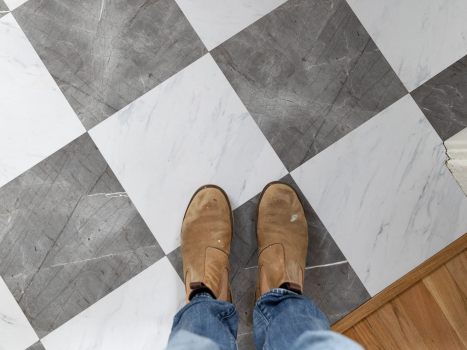
Mistake 5: Removing Tiles Incorrectly
Concerns about wall or floor damage often come from improper removal.
Common removal mistakes include:
- Pulling tiles off too quickly
- Removing without warming the adhesive
- Applying excessive force
With the right technique and products designed with balanced adhesive, removal can be clean and controlled.
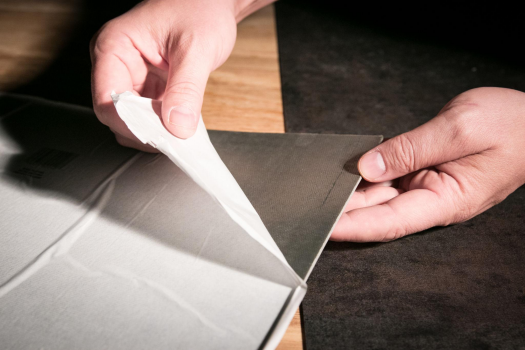
What Retailers Can Do to Reduce These Issues
Retailers play a key role in minimizing installation-related complaints by:
- Providing clear installation instructions
- Communicating suitable and unsuitable use cases
- Setting realistic performance expectations
Small guidance improvements can significantly reduce returns and negative feedback.
Final Thoughts
Most peel and stick tile problems are preventable.
By understanding what customers often do wrong during installation, retailers can improve product performance outcomes and build stronger long-term trust.
🔗 Internal link suggestion: Peel & Stick Tiles Category / Contact Us